


Tensile Structures: Modern Architectural Solutions for Functional and Aesthetic Spaces
Call Now +91-9818924424
Call Now +91-9971413366

Tensile Structures:
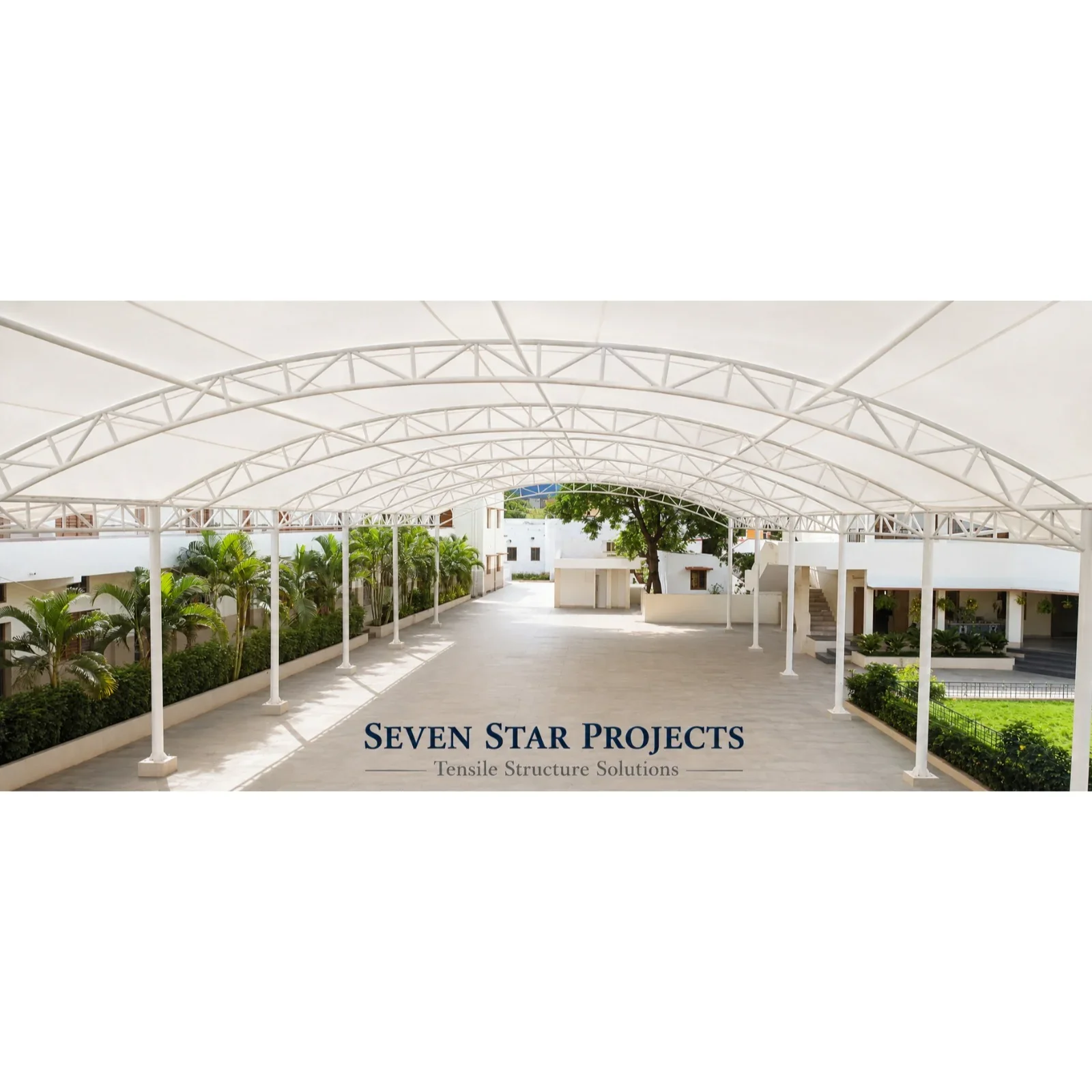
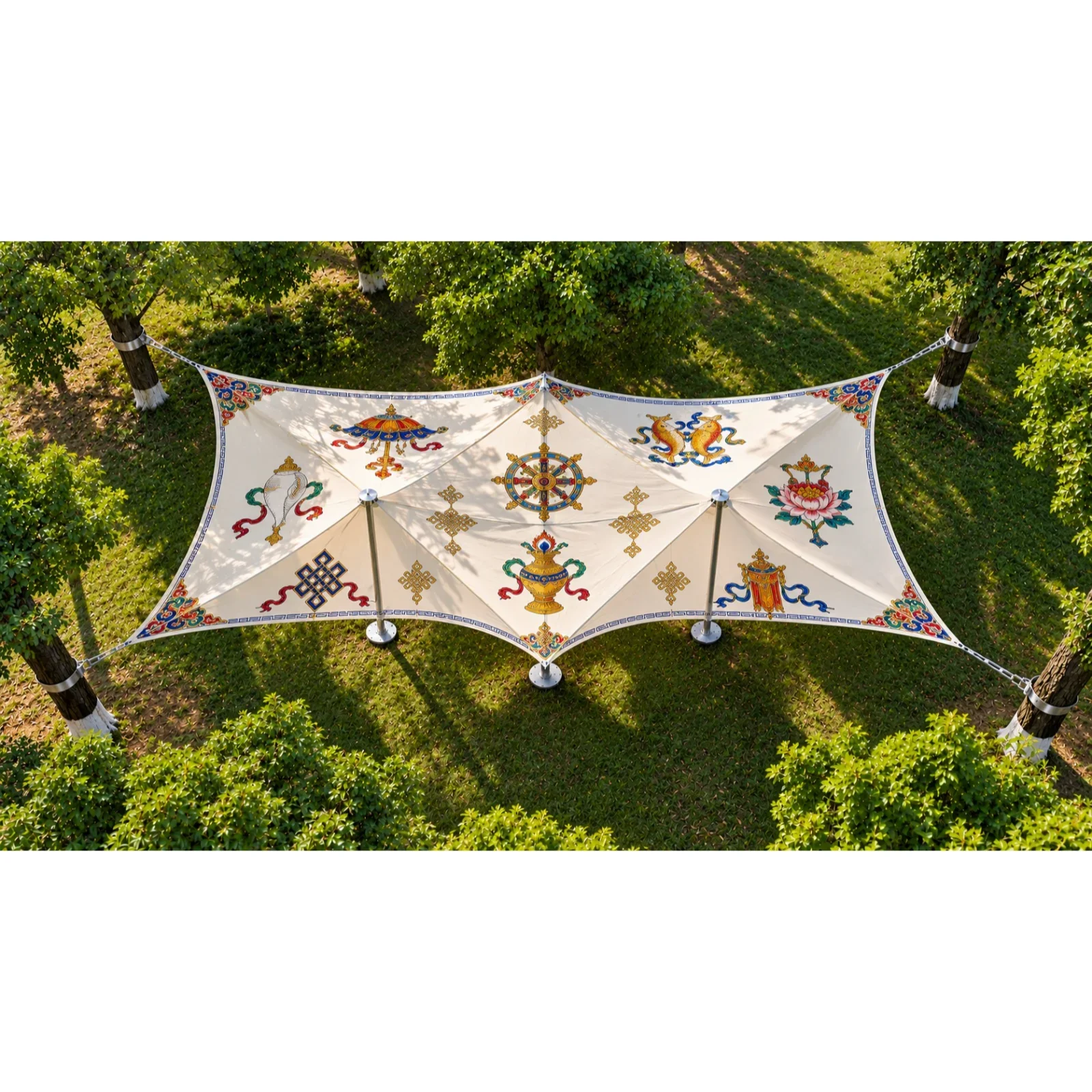
Tensile structures have become a popular choice in modern architecture due to their unique design flexibility, durability, and cost-effectiveness. These innovative structures use tensioned membranes supported by cables, steel frameworks, or other structural elements to create visually striking and highly functional covered spaces.
From stadiums and airports to commercial complexes and outdoor recreational areas, tensile structures are transforming the way architects and engineers design large-span spaces. Their lightweight nature and ability to create elegant, flowing forms make them an attractive solution for a wide range of applications.
What Are Tensile Structures?
A tensile structure is an architectural system that relies primarily on tension rather than compression to maintain its shape and stability. These structures typically consist of a high-strength fabric membrane stretched between supporting elements such as steel cables, masts, or frames.
The tensioned membrane distributes loads efficiently across the entire structure, enabling large spans without the need for numerous support columns. This creates open, unobstructed spaces while maintaining structural integrity.
Key Components of Tensile Structures
Fabric Membrane
The membrane serves as the primary covering material and is typically manufactured from durable fabrics such as:
-
PVC-coated polyester
-
PTFE-coated fiberglass
-
ETFE foil systems
-
HDPE shade fabric
These materials offer excellent weather resistance, UV protection, and long-term durability.
Supporting Structure
The membrane is supported by structural components such as:
-
Steel columns
-
Masts
-
Trusses
-
Cable systems
-
Perimeter frames
These elements provide the necessary tension and stability required for the structure.
Cable Network
High-strength steel cables are used to tension the membrane and distribute loads evenly throughout the structure. The cable system plays a critical role in maintaining the desired shape and performance.
Advantages of Tensile Structures
1. Architectural Appeal
One of the most significant benefits of tensile structures is their ability to create visually impressive and iconic designs. Their flowing forms and contemporary appearance enhance the aesthetics of any space.
2. Large Span Coverage
Tensile structures can cover vast areas with minimal support columns, making them ideal for spaces that require unobstructed views and movement.
3. Lightweight Construction
Compared to traditional roofing systems, tensile structures are significantly lighter, reducing foundation requirements and overall construction costs.
4. Cost-Effective Solution
The efficient use of materials and faster installation process often result in lower project costs compared to conventional building methods.
5. Energy Efficiency
Many tensile membranes allow natural daylight to penetrate while reducing heat gain, helping lower energy consumption for lighting and cooling.
6. Durability and Weather Resistance
Modern tensile fabrics are engineered to withstand harsh weather conditions, including strong winds, rain, UV exposure, and temperature fluctuations.
Applications of Tensile Structures
Tensile structures are widely used across various industries and environments.
Commercial Spaces
Shopping centers, restaurants, hotels, and outdoor seating areas frequently utilize tensile canopies to create comfortable and attractive environments.
Sports Facilities
Stadiums, sports arenas, tennis courts, and swimming pools often feature tensile roofing systems due to their ability to span large areas efficiently.
Transportation Hubs
Airports, railway stations, and bus terminals use tensile structures to provide weather protection while maintaining open and welcoming spaces.
Educational Institutions
Schools, colleges, and universities install tensile structures for walkways, courtyards, gathering areas, and sports facilities.
Public Spaces
Parks, amphitheaters, event venues, and recreational areas benefit from tensile canopies that offer shade and weather protection.
Industrial Applications
Warehouses, storage facilities, loading areas, and industrial workspaces often use tensile roofing solutions for economical large-area coverage.
Types of Tensile Structures
Cone Structures
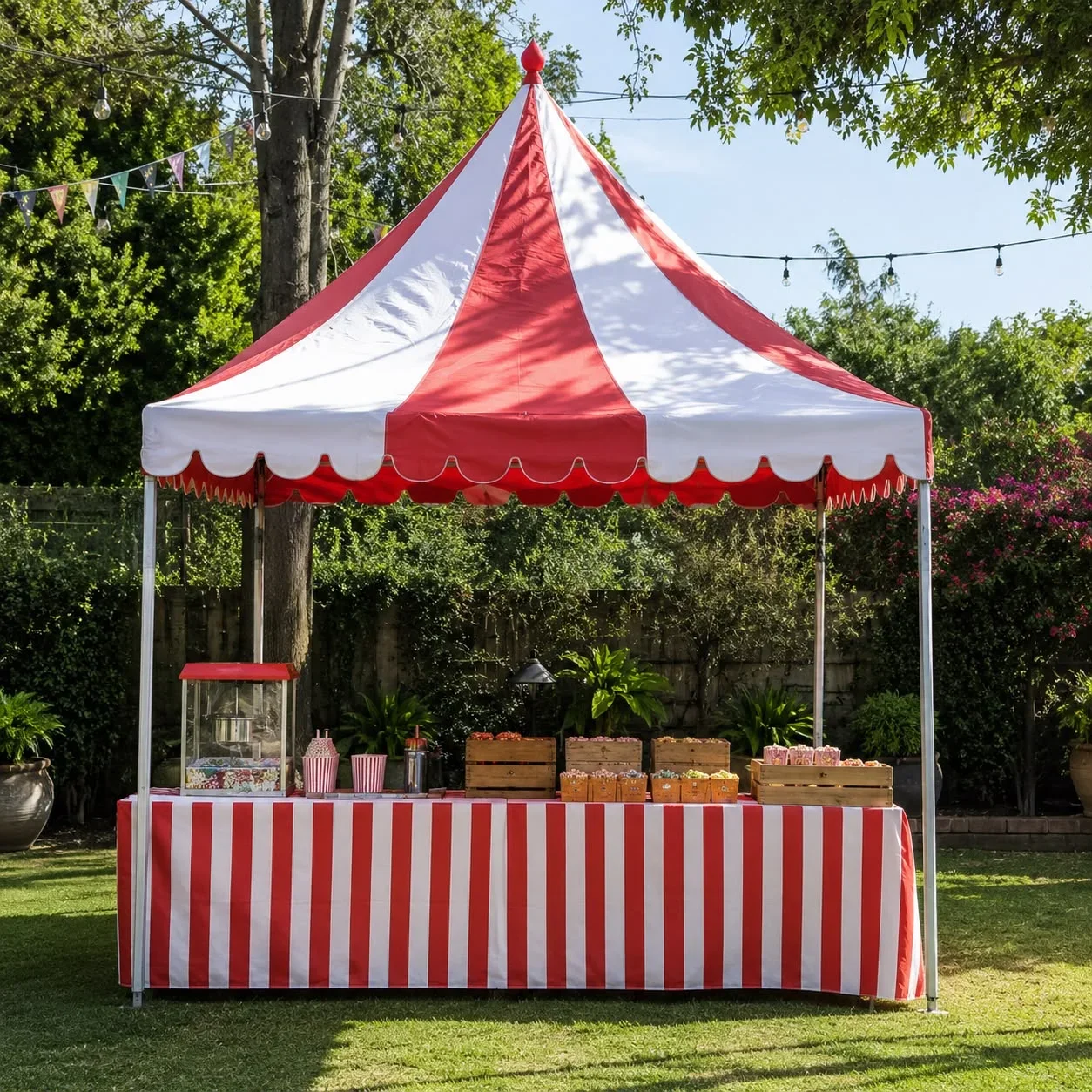
These structures feature a central mast with the membrane stretched outward, creating a distinctive cone-shaped appearance.
Arch-Supported Structures
Arches provide support for the tensioned membrane, creating elegant and structurally efficient designs.
Hypar Structures
Hyperbolic paraboloid (Hypar) structures use opposing high and low points to create dynamic, saddle-shaped surfaces.
Barrel Vault Structures
These structures form curved, tunnel-like shapes commonly used for walkways and large covered areas.
Free-Form Tensile Structures
Custom-engineered designs that allow architects to create unique and complex architectural forms.
Factors to Consider When Choosing a Tensile Structure
Before selecting a tensile structure, several factors should be evaluated:
-
Project requirements and intended use
-
Site conditions and environmental factors
-
Wind and snow load considerations
-
Material durability requirements
-
Budget constraints
-
Maintenance expectations
-
Local building regulations
Working with experienced designers and engineers ensures the structure meets both functional and aesthetic objectives.
Maintenance and Longevity
Tensile structures require relatively low maintenance compared to conventional roofing systems. Regular inspections, cleaning, and periodic tension adjustments help maximize performance and lifespan.
High-quality membrane materials can often last between 15 and 30 years, depending on environmental conditions and maintenance practices.
The Future of Tensile Architecture
As architectural trends continue to emphasize sustainability, efficiency, and innovative design, tensile structures are expected to play an increasingly important role in modern construction. Advances in membrane materials, structural engineering, and digital design technologies are enabling even more sophisticated and environmentally friendly solutions.
Their combination of beauty, functionality, and cost-effectiveness makes tensile structures an ideal choice for contemporary architectural projects across the globe.
Conclusion
Tensile structures represent a perfect balance between engineering excellence and architectural creativity. Their lightweight construction, large-span capabilities, durability, and striking visual appeal have made them a preferred solution for a wide range of commercial, public, and industrial applications.
Whether used for sports facilities, commercial developments, transportation hubs, or public spaces, tensile structures provide a modern, efficient, and aesthetically pleasing way to create covered environments that meet the demands of today's architectural landscape.
Designed & Manufactured by Seven Star ProjectsInnovative Spiritual & Architectural Installations
www.sevenstarprojects.com
Related Blogs
























WHY sevenstarprojects.com?
Biggest Manufacturer
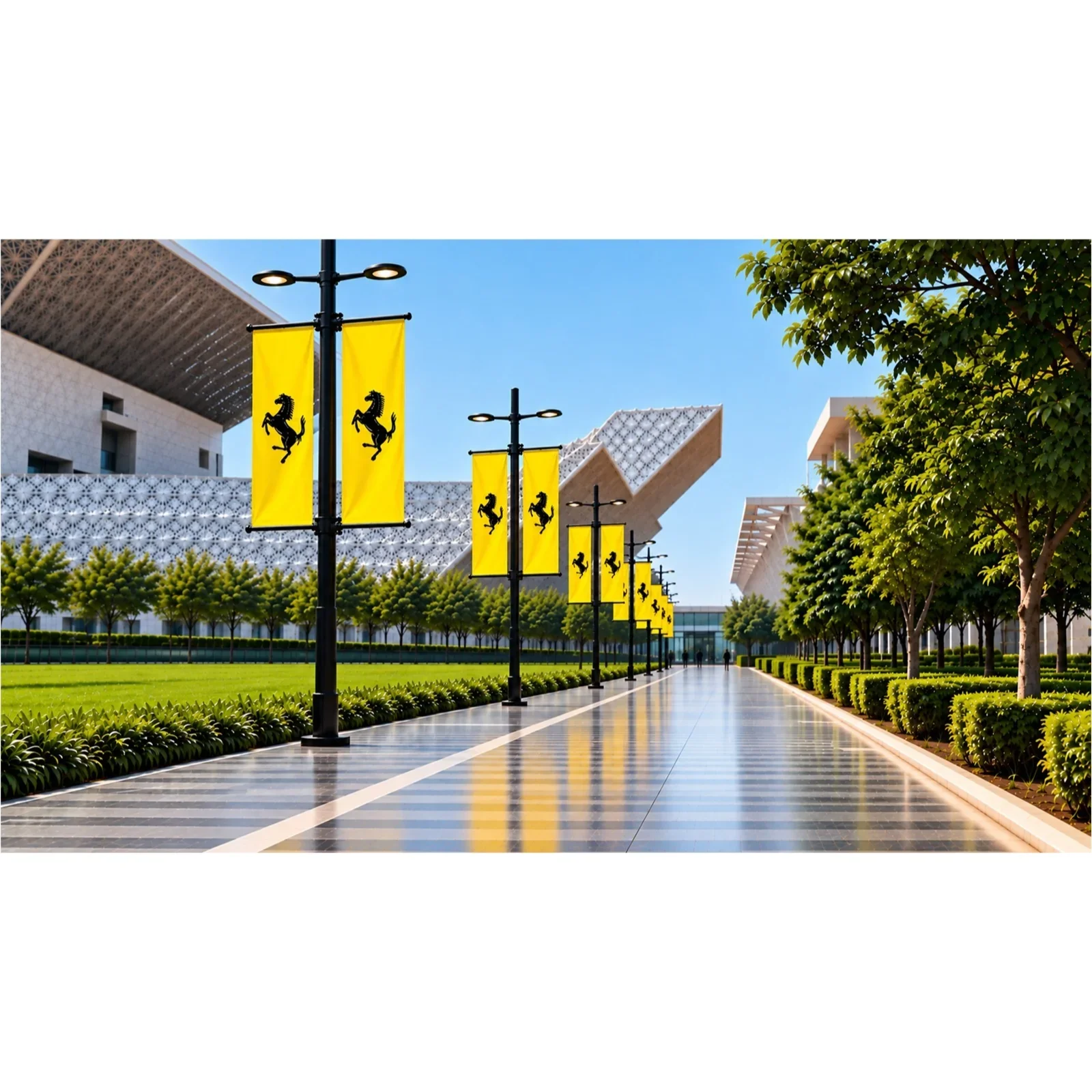
We are proudly the biggest manufacturer of flags in INDIA. Our flags are made from stronger and more durable fabric, including Dupont Solarmax nylon, our exclusive Super Knit and Super Tough. We offer a choice of high quality Indian Made products at reasonable prices, and less expensive imported flags.

Our Customers


