


Tibetan Wall Hanging Thangka: Traditional Buddhist Art and Spiritual Elegance
Call Now +91-9818924424
Call Now +91-9971413366

Tibetan Wall Hanging Thangka:
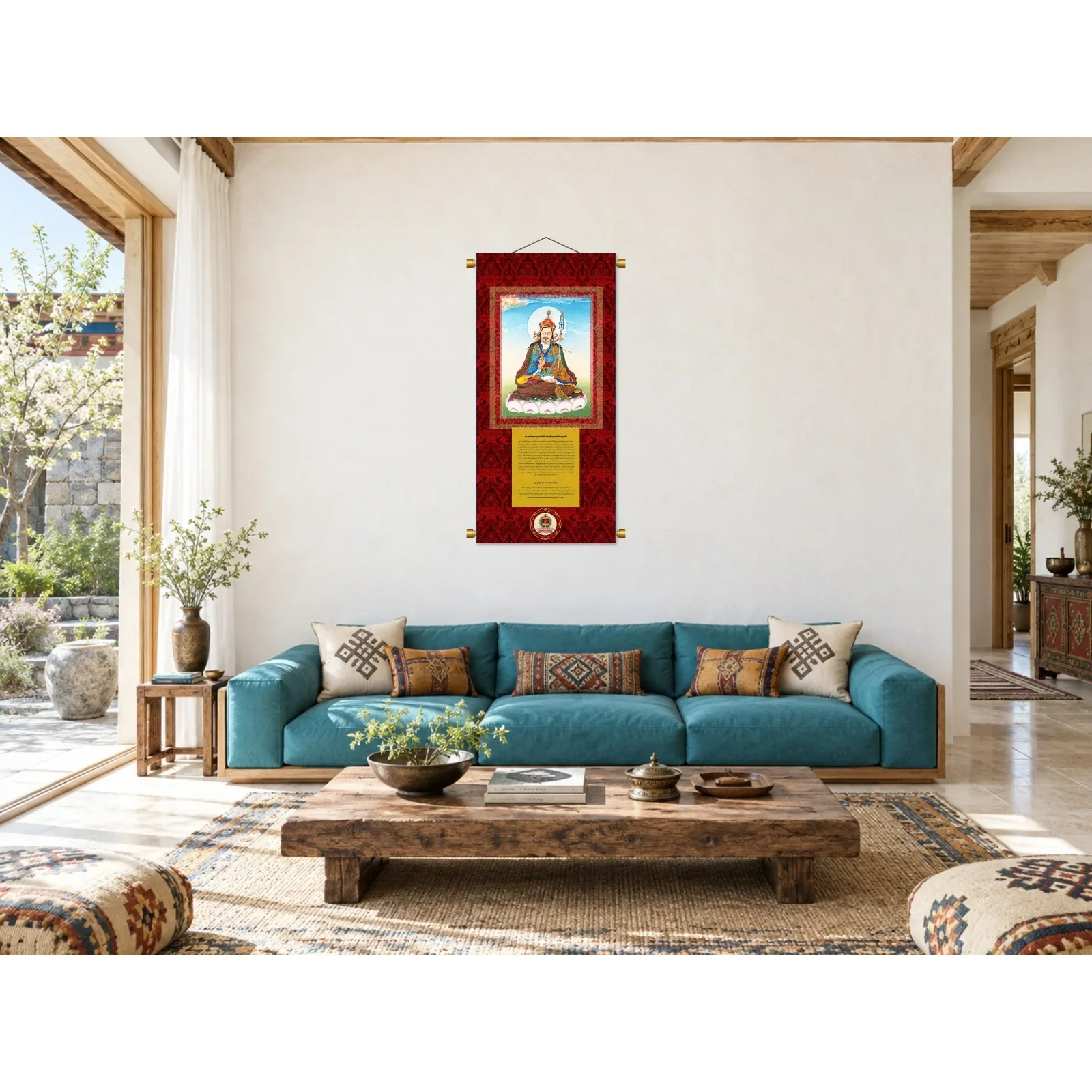
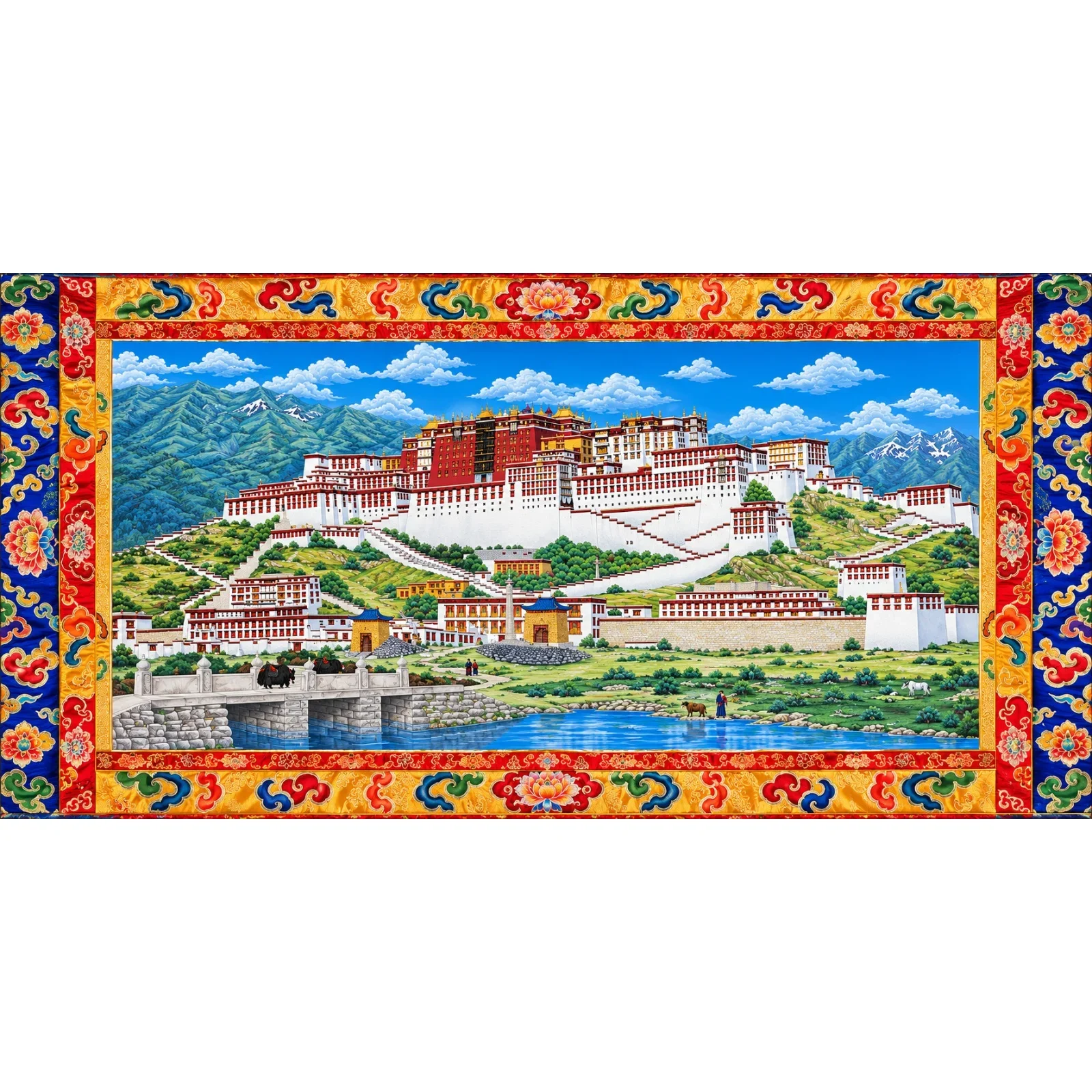
A Tibetan wall hanging Thangka is a traditional form of Tibetan Buddhist art that combines spiritual symbolism, intricate craftsmanship, and cultural heritage. Often created on cotton or silk fabric, Thangka paintings feature sacred Buddhist figures, mandalas, spiritual teachers, and symbolic scenes that reflect Buddhist teachings and meditation practices.
Whether displayed in a meditation room, prayer space, home, yoga studio, or cultural center, a Tibetan Thangka wall hanging adds artistic beauty and a meaningful spiritual dimension to the surroundings.
What Is a Tibetan Thangka?
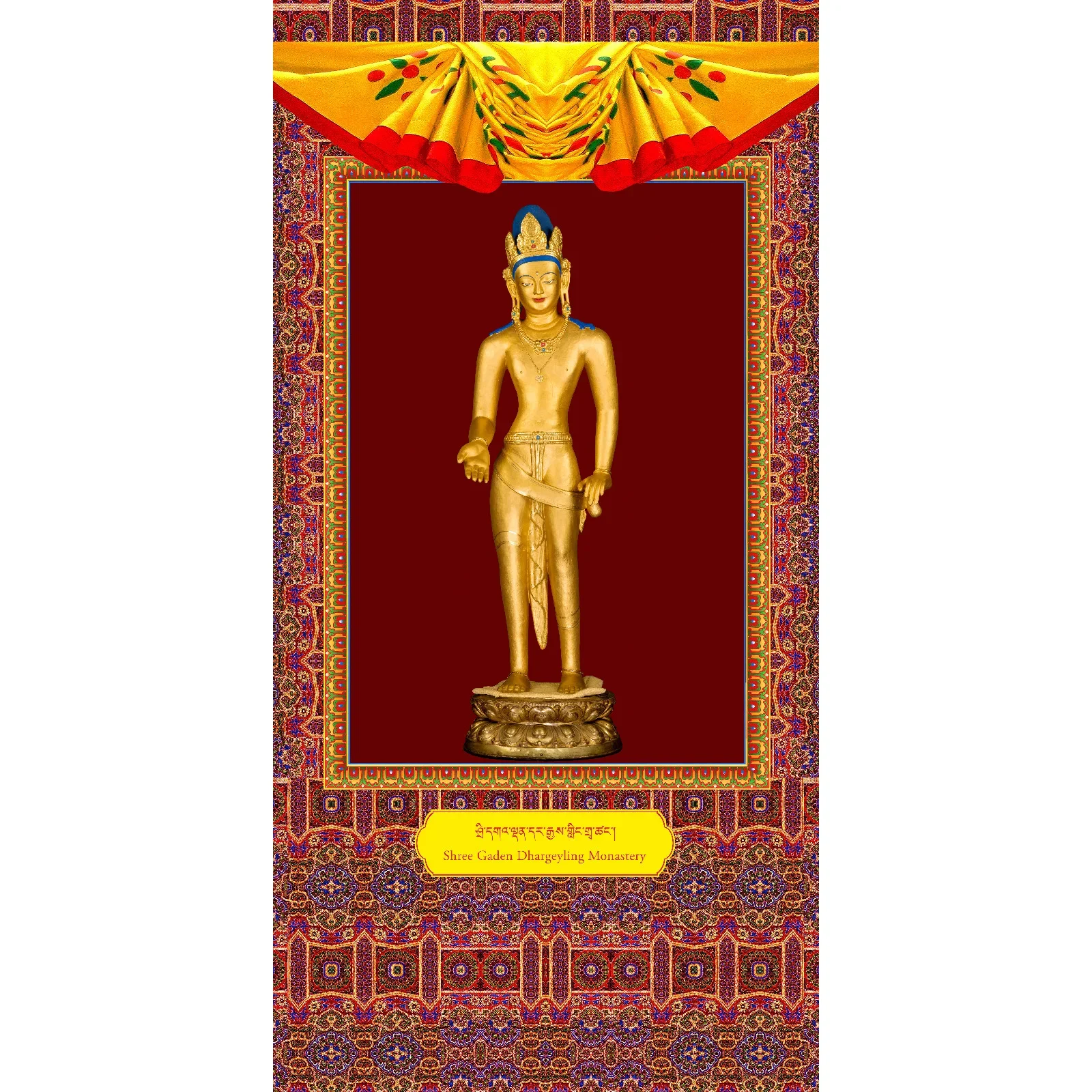
A Thangka is a traditional Tibetan Buddhist painting, typically created on fabric and designed to be displayed as a hanging scroll. These artworks often depict Buddha, bodhisattvas, Buddhist deities, mandalas, and scenes associated with Buddhist philosophy.
Traditional Thangkas are produced using detailed drawing techniques, carefully selected pigments, and intricate decorative elements. Many are mounted with textile borders and can be rolled for storage when they are not being displayed.
Beyond their decorative appeal, Thangkas can serve as visual aids for meditation, religious instruction, contemplation, and devotional practices within Buddhist traditions.
Benefits of Tibetan Wall Hanging Thangka Art
Tibetan Thangka wall hangings offer a distinctive combination of artistic expression, cultural significance, and spiritual meaning.
- Spiritual significance: Traditional imagery can support Buddhist devotional practices and contemplation.
- Intricate craftsmanship: Detailed figures, decorative patterns, and carefully applied colors demonstrate artistic skill.
- Cultural heritage: Thangkas preserve important elements of Tibetan Buddhist artistic traditions.
- Decorative appeal: Their vibrant colors and symbolic compositions create a distinctive focal point.
- Meditation support: Certain Thangka images are used as visual references during meditation and religious study.
- Versatile display: Depending on the size and design, they can be displayed in homes, meditation rooms, monasteries, and cultural spaces.
Popular Types of Tibetan Thangka Wall Hangings
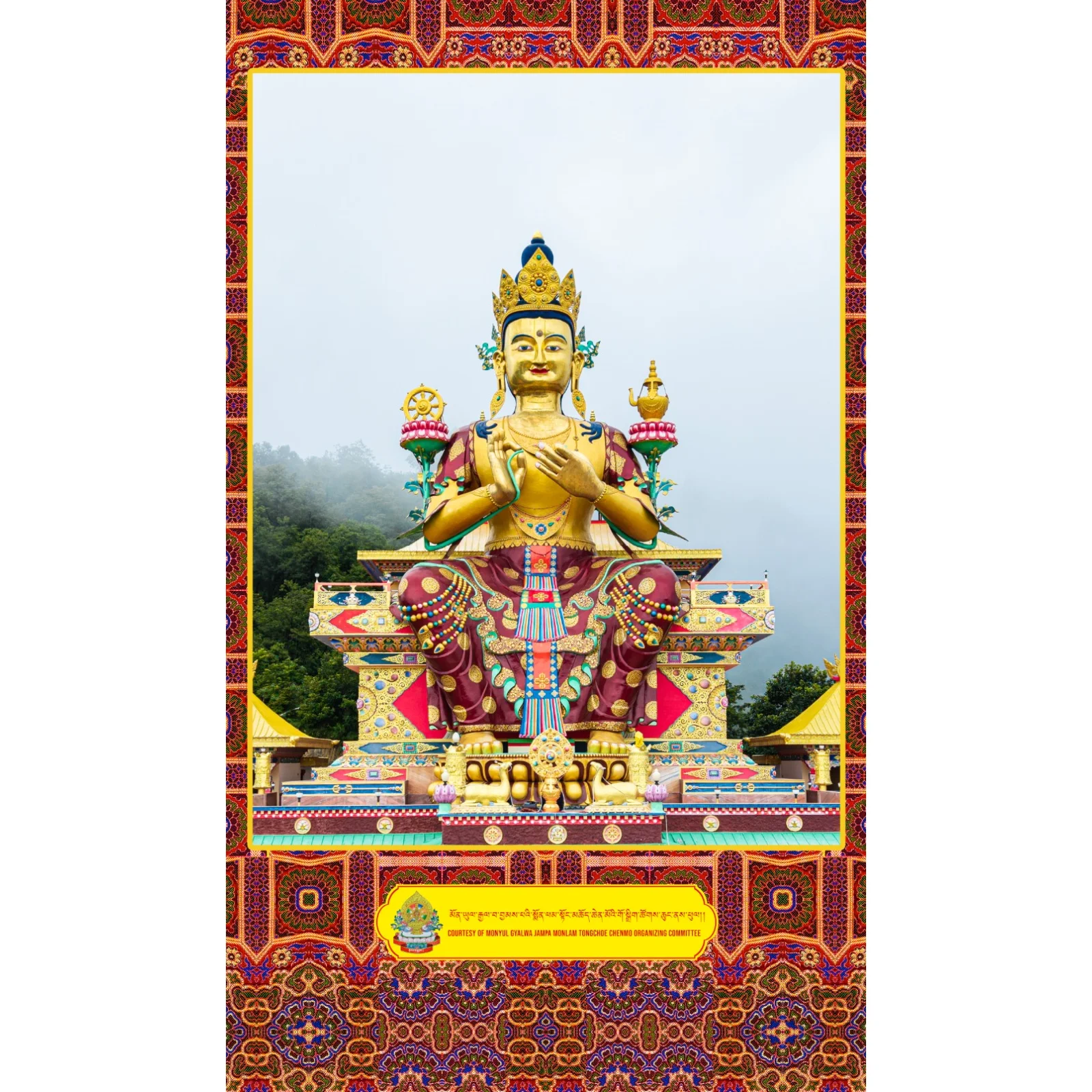
1. Buddha Thangka
Buddha Thangkas depict the Buddha in traditional seated, standing, or teaching postures. These artworks often symbolize wisdom, compassion, enlightenment, and the path toward spiritual awakening. They are commonly displayed in Buddhist prayer rooms and meditation spaces.
2. Green Tara Thangka
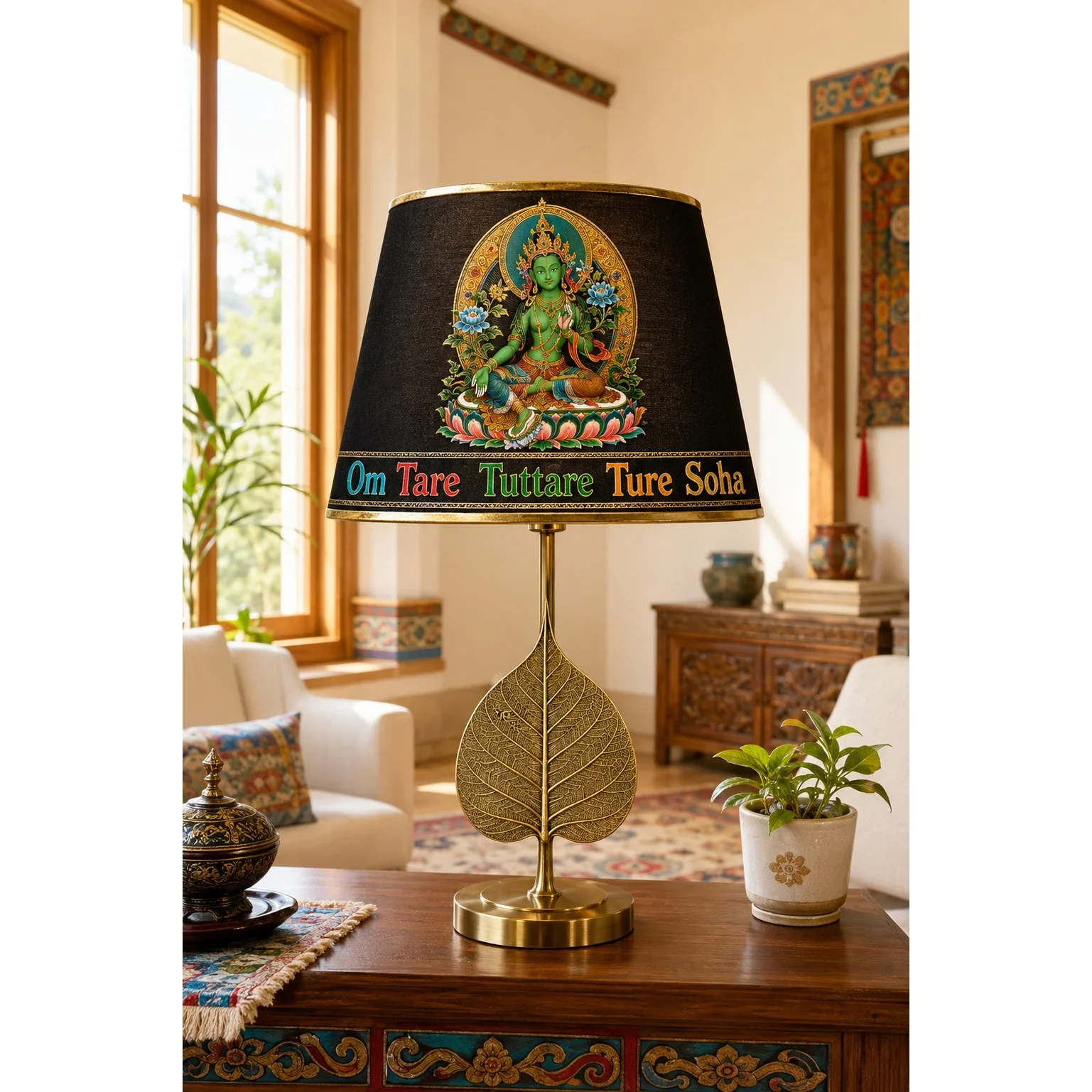
Green Tara is an important figure in Tibetan Buddhism associated with compassion, protection, and the swift alleviation of suffering. Green Tara Thangkas often feature detailed ornamental designs and symbolic elements that reflect her traditional iconography.
3. White Tara Thangka
White Tara is traditionally associated with compassion, longevity, and healing within Tibetan Buddhist traditions. White Tara Thangkas often feature serene imagery and carefully arranged symbolic details, making them meaningful works of devotional art.
4. Mandala Thangka
Mandalas are geometric and symbolic compositions used in various Buddhist traditions for meditation, ritual, and contemplative practices. Mandala Thangkas often feature symmetrical patterns, layered circles, and intricate decorative details.
5. Medicine Buddha Thangka
Medicine Buddha imagery is associated with healing and the alleviation of suffering in Buddhist practice. These Thangkas are valued for their religious significance and elaborate artistic presentation.
6. Guru Rinpoche Thangka
Guru Rinpoche, also known as Padmasambhava, holds an important place in Tibetan Buddhism, particularly in the Nyingma tradition. Thangkas depicting Guru Rinpoche often include traditional attributes and symbolic elements connected with his life and teachings.
Materials Used in Tibetan Thangka Wall Hangings
The materials used in a Thangka influence its appearance, durability, texture, and overall presentation.
- Cotton canvas: Commonly used as a painting surface for traditional and contemporary Thangkas.
- Silk fabric: Often used for decorative textile elements, borders, and certain types of religious artwork.
- Natural and mineral pigments: Traditional artists may use carefully prepared pigments to achieve distinctive colors and detailed finishes.
- Textile borders: Decorative fabric mounting frames the artwork and supports its presentation as a hanging scroll.
- Printed fabric: Some contemporary Thangkas use printed designs as an accessible alternative to traditional hand-painted works.
Materials and techniques vary by artist, workshop, tradition, and production method. Buyers interested in traditional craftsmanship should ask whether a piece is hand-painted, printed, or produced using a combination of techniques.
Where Can You Display a Tibetan Wall Hanging Thangka?
Tibetan Thangka wall hangings can be displayed in various settings, depending on their subject, size, and intended purpose.
- Meditation rooms: Create a dedicated environment for reflection and contemplative practice.
- Home prayer spaces: Provide a meaningful focal point for personal devotional activities.
- Yoga and wellness studios: Complement spaces dedicated to mindfulness and meditation.
- Buddhist temples and monasteries: Support religious practices, teachings, and traditional ceremonies.
- Cultural centers: Help introduce visitors to Tibetan Buddhist art and heritage.
- Art collections: Offer an opportunity to appreciate traditional painting techniques and symbolic compositions.
How to Choose the Right Tibetan Thangka
Selecting a Thangka involves considering its artistic quality, cultural significance, materials, and intended display location.
- Choose the subject carefully: Learn about the traditional meaning of the depicted Buddha, deity, teacher, or mandala.
- Check the craftsmanship: Look for clear details, balanced composition, and careful finishing.
- Understand the production method: Confirm whether the artwork is hand-painted, printed, or created using mixed techniques.
- Select the appropriate size: Consider the available wall space and the viewing distance.
- Review the mounting: Check the textile borders, hanging loops, and overall construction.
- Consider cultural context: Learn about the imagery and display practices associated with the specific Buddhist tradition.
- Verify authenticity claims: If purchasing an antique or a work described as handmade, request reliable information about its age, provenance, and production.
Tips for Caring for Your Thangka Wall Hanging
Thangka paintings can be delicate, especially when they feature traditional pigments, aged fabrics, or elaborate textile borders. Proper care helps preserve their artistic details and material condition.
- Keep the artwork away from prolonged direct sunlight to reduce fading.
- Avoid damp environments that may encourage mold or fabric deterioration.
- Handle the painting with clean, dry hands when appropriate.
- Protect the surface from dust, smoke, and accidental contact.
- Avoid using household cleaning products or applying water directly to the artwork.
- Consult a qualified textile or paintings conservator if an antique or valuable Thangka requires repair or specialized cleaning.
The Cultural and Artistic Importance of Tibetan Thangka
Tibetan Thangka painting represents a rich artistic tradition shaped by Buddhist philosophy, religious practice, symbolism, and generations of specialized craftsmanship. The proportions of sacred figures, arrangement of colors, and inclusion of symbolic objects often follow established iconographic conventions.
For practitioners, a Thangka may serve as a devotional object or meditation aid. For art enthusiasts, it can provide insight into Tibetan Buddhist history, visual storytelling, and traditional painting techniques. Understanding the meaning behind an image helps viewers appreciate the artwork beyond its decorative qualities.
A Tibetan wall hanging Thangka brings together traditional Buddhist imagery, intricate artistry, and cultural heritage. From Buddha and Tara paintings to elaborate mandalas and Medicine Buddha compositions, each type offers its own visual character and spiritual context.
By selecting an appropriate design, understanding its symbolism, checking the materials, and providing proper care, you can preserve and appreciate a Thangka as a meaningful work of art.
Discover the beauty of Tibetan Thangka wall hangings and bring traditional Buddhist art, intricate craftsmanship, and cultural significance into your space.
Designed & Manufactured by Seven Star ProjectsInnovative Spiritual & Architectural Installations
www.sevenstarprojects.com
Related Blogs










WHY sevenstarprojects.com?
Biggest Manufacturer
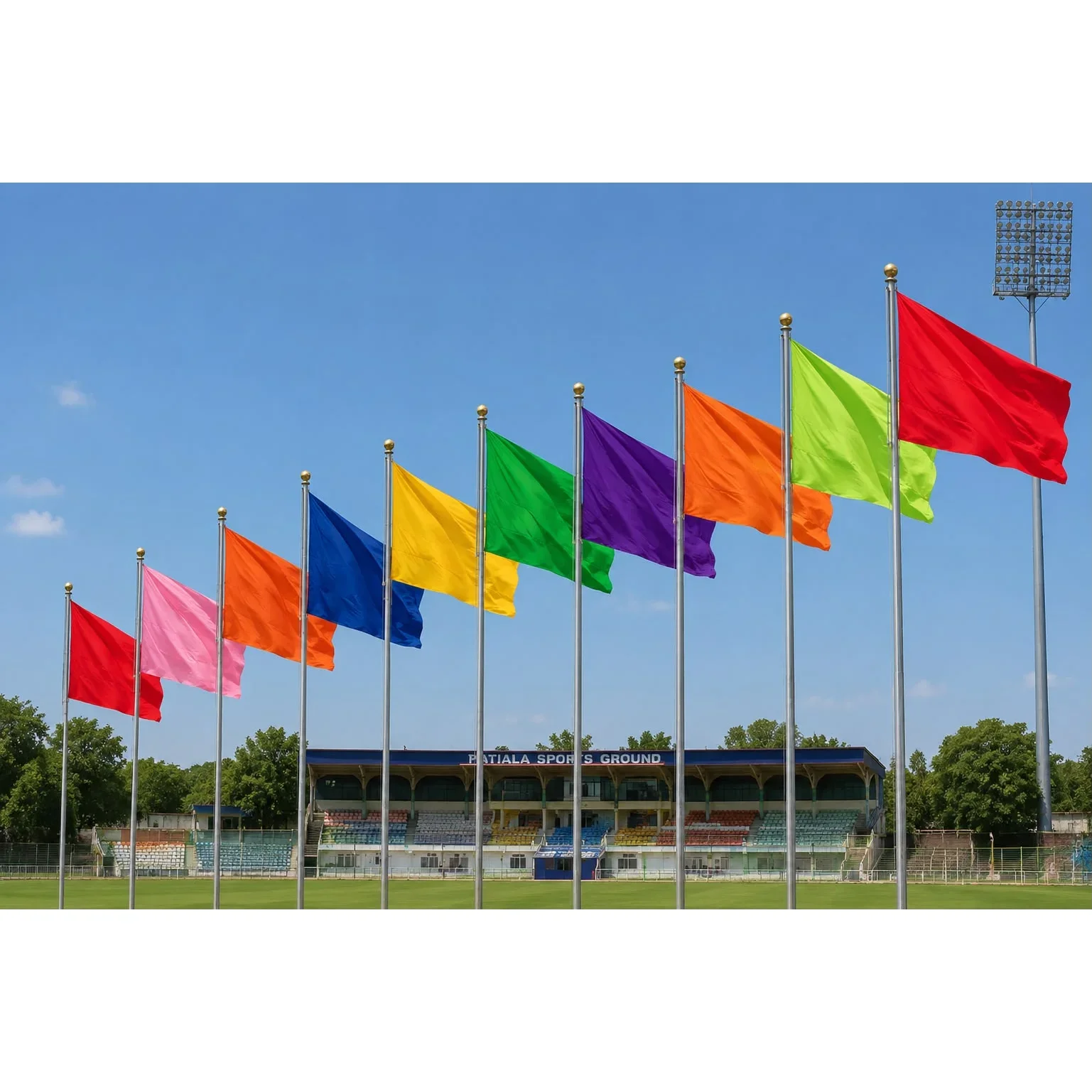
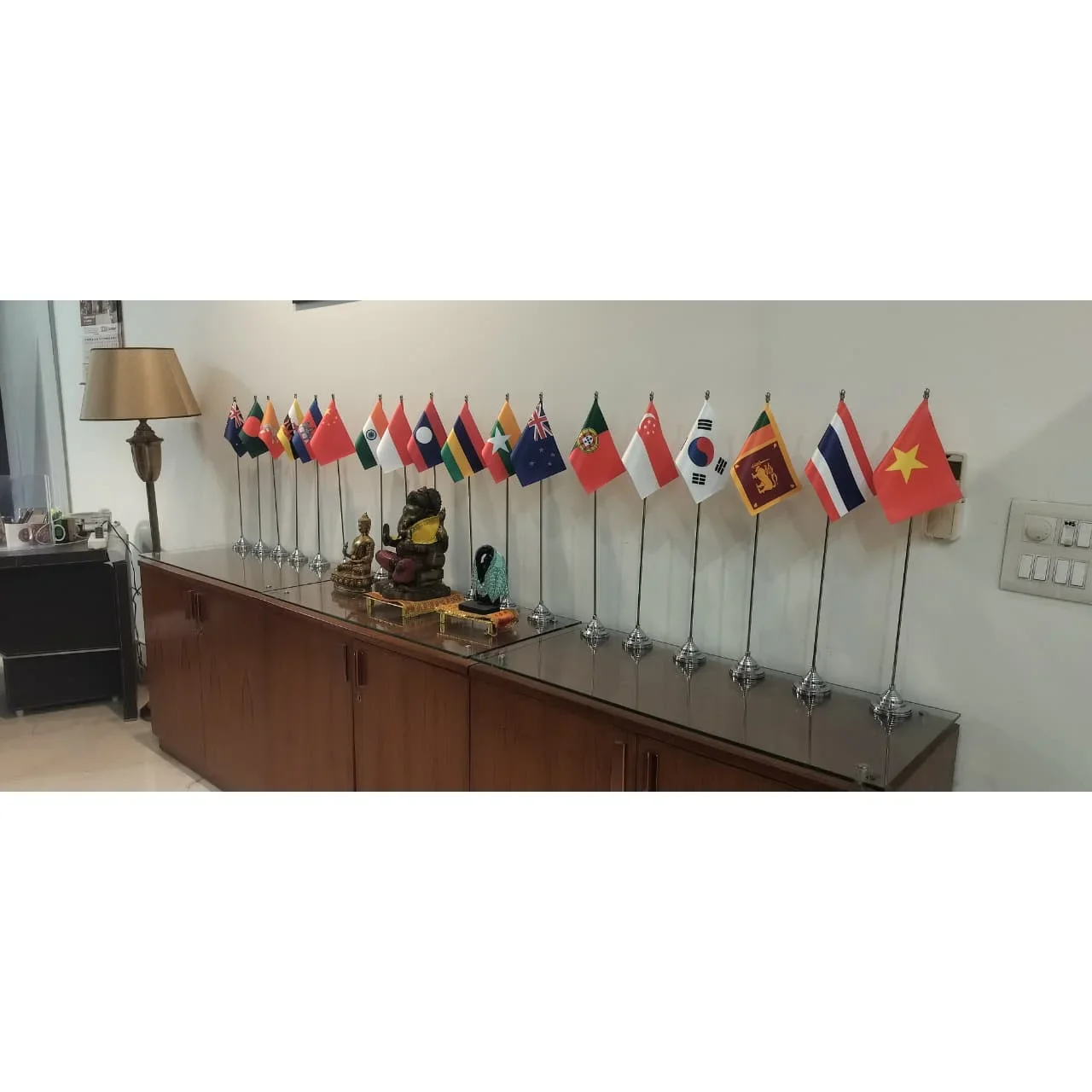
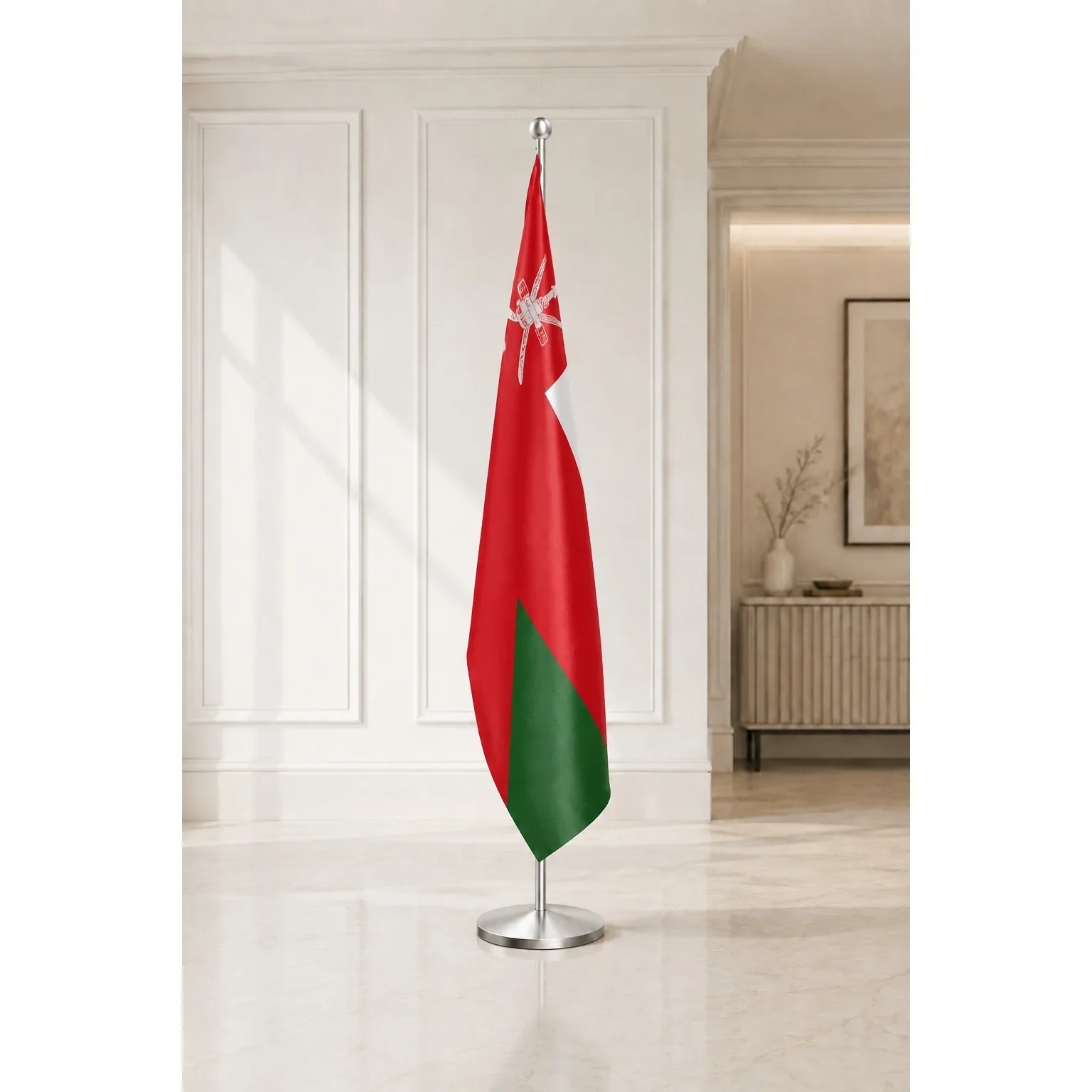
We are proudly the biggest manufacturer of flags in INDIA. Our flags are made from stronger and more durable fabric, including Dupont Solarmax nylon, our exclusive Super Knit and Super Tough. We offer a choice of high quality Indian Made products at reasonable prices, and less expensive imported flags.

Our Customers


